

TL;DR
A SMAS facelift tightens the supporting layer under the skin; a deep plane facelift goes beneath it and releases the ligaments that hold sagging tissue down. Deep plane suits moderate to advanced midface sagging and deep nasolabial folds (about ages 45–70 at Dr. Wang Jingang's practice, results of 10–12 years or more). Layered SMAS techniques suit patients aged 45–60 and last 8–10 years. The right choice depends on your anatomy, not on a trend.
Why Is Everyone Comparing These Two Facelift Techniques Right Now?
Deep plane technique has become one of the most requested facelift approaches worldwide. A 2026 systematic review in Aesthetic Plastic Surgery pooled 45 studies covering 10,784 deep plane patients and concluded the technique is safe, with low complication rates and favourable aesthetic outcomes, although outcome assessments were largely subjective.
Yet SMAS-based lifts remain widely used, and skilled surgeons still debate which suits whom. For international patients comparing a facelift in China, the useful question is simpler: which layer is causing your sagging?
What Is the Real Difference Between a Deep Plane and a SMAS Facelift?
Surface tightening vs deep release
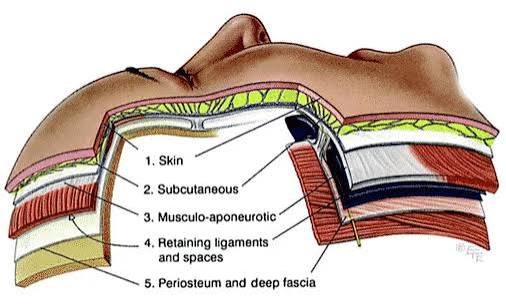
A conventional SMAS lift works mainly through lateral tightening of the SMAS fascia. A deep plane lift works beneath the facial fascia and frees the supporting bands that anchor the cheek to deeper structures.
Because the tissues move together as one unit, the skin does not have to be pulled tight, which helps preserve natural expression.

Deep Plane vs SMAS Three-Plane Lift: Side-by-Side Comparison
Dr. Wang Jingang offers both a Deep Plane Facelift and a SMAS Three-Plane Composite Lift. The figures below come from his published procedure pages.
| Factor | Deep Plane Facelift | SMAS Three-Plane Composite Lift |
| Core principle | Releases deep retaining bands, lifts cheek tissue, fascia and skin as one unit | Repositions SMAS fascia, fat pads and deep ligaments across three layers |
| Typical age range | About 45–70 | 45–60 |
| Longevity with good care | 10–12 years or more | 8–10 years |
| Best for | Deep nasolabial folds, flat cheeks, weak jawline, revision cases | General laxity, jowls, post-weight-loss skin looseness |
| Procedure and stay | Planned individually at consultation | About 4–6 hours; hospital stay 3–4 days |
How Long Does a Facelift Last Compared With Non-Surgical Options?
Dr. Wang's pages state that thread lifts hold for roughly 1–2 years. Bars show the upper end of each stated range (scale: 12 years).
| Thread lift (1–2 yrs) |
|
||
| SMAS three-plane (8–10 yrs) |
|
||
| Deep plane (10–12+ yrs) |
|
Who Is a Good Candidate for Each Technique?
Deep plane candidates
- ✦ Noticeable cheek descent and midface volume loss
- ✦ Nasolabial folds visible even at rest
- ✦ Limited results from fillers or thread lifts
- ✦ Sagging that returned after a previous facelift

SMAS three-plane candidates
- ✦ Patients aged 45–60 with moderate to severe laxity
- ✦ Blurred jawline and early jowls
- ✦ Excess facial skin after significant weight loss
- ✦ Those who want results longer than thread lifts provide
Patients under about 45 with mainly expression lines are usually better served by non-surgical treatment. Deep plane surgery may not suit uncontrolled high blood pressure, significant clotting problems, active autoimmune conditions, heavy long-term smoking, or extremely thin skin.
What Does Facelift Recovery Look Like Step by Step?
Timeline from Dr. Wang's SMAS three-plane protocol; individual healing varies.
| Days 1–4 | Hospital stay of 3–4 days with dressing care. |
| Day 9 | Suture removal; hair washing allowed from day 7. |
| Months 1–3 | Swelling gradually fades; temporary tightness eases. |
| Months 3–6 | Natural facial expression fully restored. |
Why Do International Patients Choose Dr. Wang Jingang?
- ▸ 20+ years of experience and 12,000+ plastic surgeries, with facial lifting over 60% of cases
- ▸ 3,700+ international patients from 20+ countries
- ▸ Two papers in Plastic and Reconstructive Surgery
- ▸ 500+ surgeons mentored across 20+ countries
Plans are adapted to regional anatomy, such as thicker skin and scar sensitivity in Southeast Asian patients, or thinner skin and a preference for subtle results among European and North American patients.

Frequently Asked Questions
Choosing Your Technique With Confidence
The best result of a deep plane facelift vs SMAS facelift decision comes from matching technique to anatomy and expectations, then to an experienced surgeon. Explore our Deep Plane Facelift Surgery, SMAS Three-Plane Composite Lifting and Combined Face and Neck Lift pages. Individual results vary, and this article is general information, not medical advice.
Not sure which facelift fits your face?
Book a free 15-minute online consultation with Dr. Wang Jingang. We reply within 24 hours.
Request a Consultation WhatsApp +86 181 1012 9072