



With abundant experience, Wang Jingang is a professional surgeon specializing in endoscopic facelift. He is known as China’s Most Popular Anti-Aging Surgeon in Asia. Focusing on Asian anti-aging treatment, Wang Jingang has completed over 3,700 surgeries for international patients from more than 20 countries. For price consultation, contact us.
Core Solution
Aging in the upper and middle face usually does not happen overnight.
Many patients slowly notice that their eyebrows look lower, their eyes appear tired, or their cheeks do not look as full and lifted as before.
Skincare products and injections can help with early changes, but they cannot move sagging facial tissues back to where they were.
Some patients consider a traditional facelift but hesitate because of longer scars, more swelling, and a longer recovery period.
Dr. Wang Jingang's Endoscopic Facelift is designed for patients who want a stronger lifting effect with smaller surgical access.
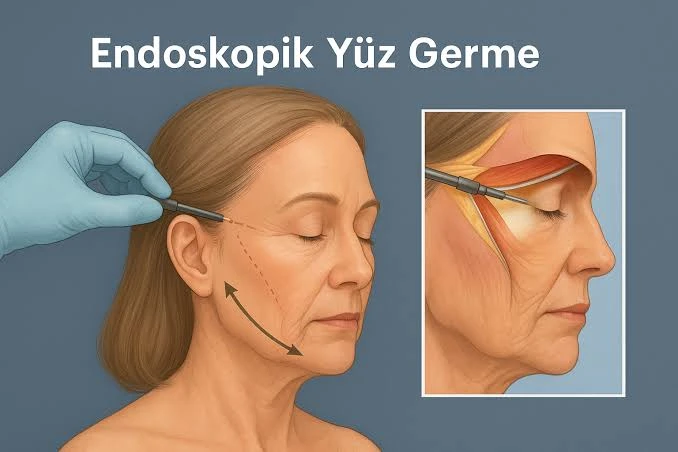
Instead of using a long incision, the surgery is performed through several small hidden openings around the hairline. A small endoscopic camera gives Dr. Wang a clear view of the internal structures during the procedure.
Through this approach, the deeper supporting tissues can be adjusted, including:
- Tight facial ligaments that pull tissues downward
- Sagging cheek soft tissue
- Upper facial support structures
One of the benefits of Dr. Wang's endoscopic facelift approach is that the results look very natural and can last for about 10 to 12 years. Patients often say they look younger and refreshed, but not "overdone."
Technical Core Principle
Traditional facelift surgery depends largely on direct tissue exposure and wider separation.
With Endoscopic Facelift, the surgeon works through smaller openings with camera assistance.
This allows Dr. Wang to see the surgical area more clearly and carefully separate different tissue layers.
The main steps include:
Ligament Release
Some facial tissues become fixed in a lower position because of strong connective attachments.
Releasing these restrictive ligaments allows the soft tissue to move more naturally.
Deep Tissue Repositioning
After release, the cheek and upper facial soft tissue are repositioned and supported in a higher, more balanced position.
Stable Fixation
The repositioned tissue is secured on stronger supporting structures instead of relying only on skin tension.
Because the procedure avoids unnecessary skin pulling, patients are less likely to have a tight or artificial facial appearance after recovery.
The incision points are small and hidden within the hairline, making them difficult to notice once healed.
Who Is a Good Candidate?
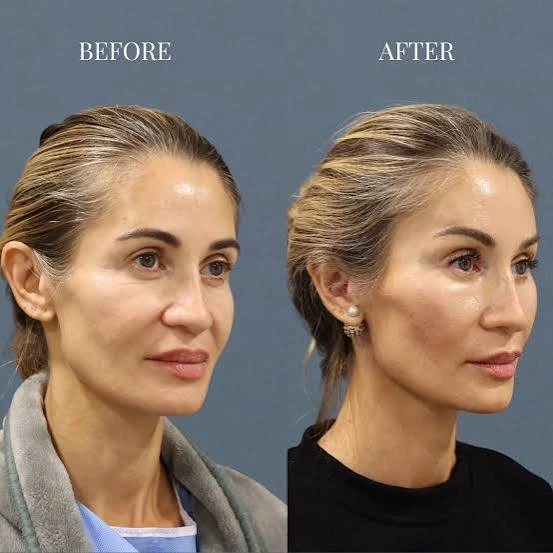
Dr. Wang Jingang's Endoscopic Facelift is mainly considered for patients who have early to moderate upper and midface aging and want to avoid a traditional large facelift.
Common situations include:
Patients With Brow Drooping and Midface Aging
Some patients notice:
- Lower eyebrows
- Heavy upper eyelid appearance
- Flatter cheeks
- Deeper nasolabial folds
In many cases, these changes are not only caused by skin aging. The deeper soft tissue support has also changed over time.
Endoscopic Facelift can address these deeper structures and restore a more balanced upper and midface contour.
Patients Concerned About Large Scars
Many patients want a surgical solution but do not want visible facelift scars.
The Endoscopic Facelift uses small hairline incisions instead of long scalp incisions.
For patients who care about keeping treatment traces minimal, this approach can be a better option.
Busy Patients From Overseas
International patients often need to consider work schedules, flights, and recovery time.
Many prefer a procedure with:
- Smaller incisions
- Less visible surgical marks
- A more manageable recovery period
Patients With Limited Results After Thread Lifting
Some patients have tried thread lifting but found that:
- The effect did not last long
- Sagging returned
- Deeper facial aging problems remained
Endoscopic Facelift works on deeper tissue support rather than only lifting the surface skin.
Patients Who May Not Be Suitable
This procedure may not be suitable for patients with:
- Severe full-face and neck sagging
- Uncontrolled medical conditions
- Active scalp infection
- Expectations of an extremely high or unnatural lifting effect
A detailed consultation is necessary before surgery.
Region-Tailored Custom Adjustments
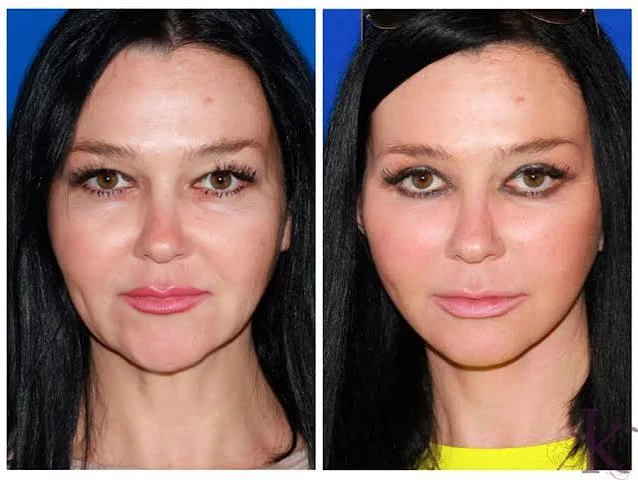
After more than 20 years of treating patients from different countries, Dr. Wang Jingang adjusts Endoscopic Facelift plans based on facial structure, skin condition, and personal aesthetic preferences.
|
Patient Group |
Common Characteristics |
Dr. Wang's Approach |
|
Southeast Asian Patients |
Fuller soft tissue and preference for softer facial lines |
Maintain facial fullness while improving upper and midface support |
|
Western Patients |
More defined facial bones and preference for subtle rejuvenation |
Preserve natural facial structure and avoid excessive lifting |
|
Pan-Asian Patients |
Prefer natural changes and shorter downtime |
Keep the treatment focused and minimize unnecessary adjustment |
|
Central Asian Patients |
Wider midface structure and stronger facial framework |
Adjust tissue repositioning to improve overall facial balance |
Why Choose Dr. Wang Jingang?
Dr. Wang Jingang has more than 20 years of experience in facial rejuvenation and minimally invasive facial lifting.
He has completed more than 12,000 aesthetic procedures and has treated patients from different countries with different facial structures.
His approach is based on one simple principle:
Every face should be improved according to its own structure.
- Dr. Wang focuses on:
- Careful facial assessment
- Precise tissue adjustment
- Natural facial movement
- Avoiding an overdone appearance
He has also shared his surgical experience through professional education and international medical exchanges.
For overseas patients, his team provides support before surgery and during recovery.
Real Patient Case
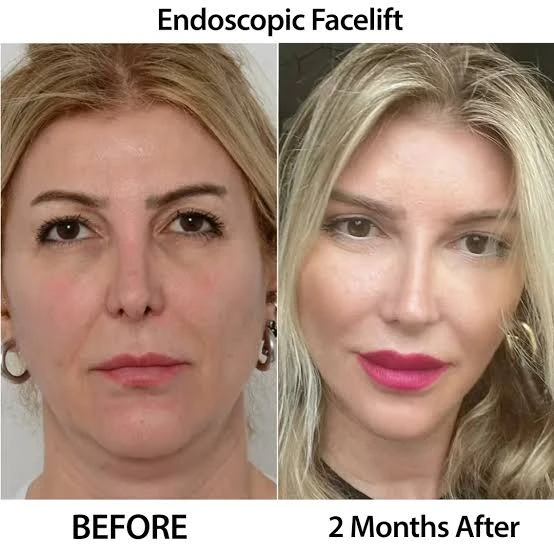
Patient Origin: American
Age: 49
Main Concerns:
- Drooping outer eyebrows
- Midface hollow appearance
- Persistent nasolabial folds
- Unsatisfactory results after previous thread lifting
Customized Plan:
Dr. Wang selected an Endoscopic Facelift approach with targeted ligament release and deep fascia anchoring based on the patient's facial structure.
Final Result:
After recovery:
- The upper and midface looked more refreshed
- Facial folds became softer
- Incision marks blended naturally into the hairline
- Facial expressions remained relaxed and natural
Frequently Asked Questions
Free Consultation
If you are considering Endoscopic Facelift and want to know whether it matches your facial aging concerns, you can schedule a virtual consultation with Dr. Wang Jingang.
During the consultation, Dr. Wang will review:
● Your upper and midface aging changes
● Your expectations
● Suitable surgical options
● Recovery process and cost details
The purpose is to create a lifting plan that improves aging signs while keeping your facial expression and personal features natural.
Hot Tags: endoscopic facelift, China endoscopic facelift surgeon, deep plane facelift, facelift cheek lifting surgery, facelift skin tightening surgery, facelift structural reconstruction, midface facelift procedure, rhytidectomy treatment


